
Why Choose San Antonio Home Additions to Perfectly Expand Your Living Space

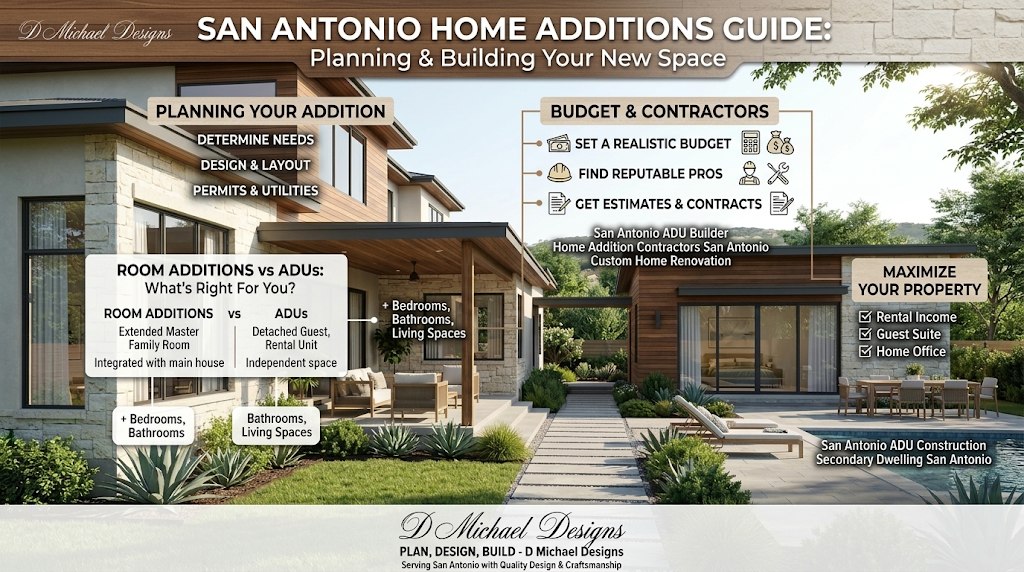
Dreaming of knocking down a wall to create more space in your home? Moving might offer you more space, but building an addition can be a comfortable and practical alternative. From designing the new area to understanding local regulations and beginning construction, several steps are involved in creating home additions in San Antonio.
Understanding the process can help homeowners plan their new spaces and identify potential issues before they occur. Here’s what to know before building San Antonio Home Additions.
Types of Home Additions
Home additions expand the livable space of a home by creating new areas that can be used for specific purposes. These additions can take several forms, including:
- Bedrooms
- Bathrooms
- Home offices
- Family rooms
- Guest spaces
- Kitchens
- Laundry rooms
- Garages
- Outdoor spaces
- Accessory dwelling units (ADUs)
Choosing the right home addition depends on your property, the number of people in your household, available space, and your budget.
Determine Why You Need More Space
Home Addition Contractors San Antonio can help turn your ideas into reality, but it’s important to know what you want before the project begins. Do you need more rooms? Or maybe you’re craving a dedicated office space?
Making a list of what you want can help you decide which addition will work best for your home. List what you want in your dream space as well as things that would be nice to have. This can help you separate wants from needs if your budget requires adjustments.
Choose the Right Addition Type for Your Home
Room additions expand on the existing home’s footprint, while ADUs can offer their own separate dwelling area if local regulations allow.
Room Additions San Antonio can create different types of rooms or workspaces as long as you have the available space and the project meets applicable requirements.
Accessory dwelling units (ADUs) are separate living spaces on the same property as a traditional home. Build an ADU San Antonio projects may be suitable for homeowners looking for self-contained housing for guests, family members, or another purpose allowed by local regulations.
Plan Your Budget
One of the most important steps in planning a home addition is determining your budget. Home additions can vary widely in final cost depending on the project’s size, materials, structural changes needed, finishes, labor costs, required permits, and more.
Home Addition San Antonio contractors can help you determine what goes into your budget, but here are some additional costs to consider:
- Architectural and design fees
- Permitting fees
- Site preparation
- Plumbing, electrical, and HVAC work
- Flooring
- Cabinets and countertops
- Windows and doors
- Lighting
- Fixtures
- Appliances
- Interior paint and finishes
As you plan your budget, speak with your contractor about what your money will be paying for. It’s also important to understand your priorities ahead of time to avoid costly changes during construction.
Plan Your Home Addition Layout
You’ll want your new area to blend in seamlessly with the rest of your home. Consider exterior materials, roofline, windows, doors, interior finishes, and flooring when planning additions to your home.
Think about how the rooms surrounding your addition will interact with the new space. Adding to your kitchen? Consider how you will connect to your dining and living rooms.
Building a new bedroom? Think about the placement of the bathroom, closets, and hallway.
A well-planned layout can help the new area feel like a natural part of the existing home.
San Antonio Home Additions vs Moving to a New Home
| Home Additions | Moving to a New Home |
| Keep your current location | Requires moving to another property |
| Customize your existing space | Limited to what is available |
| Add specific rooms or areas | The new property might immediately fit your needs |
| Design can be customized to your needs | Existing space may not fit your needs |
| Construction planning is required | Requires a negotiation and buying process |
Home additions don’t always work for every situation. If you’re attached to your location but need more space, building an addition might be a great option.
Design With the Future in Mind
Think about how your family might use the space in the future. Kitchens and bedrooms can potentially transition into something new if you allow for flexible layouts, plenty of storage, natural lighting, and durable materials.
When planning Custom Home Additions San Antonio, consider both your current needs and how your household may change over time.
Planning ahead can help you create a space that remains useful for years to come.
Build an ADU
As mentioned above, ADUs are separate dwelling spaces on the same property as your main home. Some homeowners may want to build an ADU as a guest house, while others may intend to use or rent out the space for purposes permitted by local regulations.
Research local laws and regulations before designing your ADU. You’ll need to plan for:
- Utility connections
- Parking
- Privacy
- Interior layout
- Property access
- Required permits
- Applicable building requirements
If you are considering ADU Construction San Antonio, discussing your property and plans with an experienced professional can help you understand the process.
Hire Experienced Professionals
Your San Antonio home addition contractor can make a major difference in your experience. Look at past project photos and, where possible, learn about homeowners’ experiences working with potential contractors.
Some questions you may want to ask include:
- Do you have experience with additions similar to mine?
- Can I see examples of past additions?
- How do you manage scheduling on larger projects?
- Who is responsible for managing subcontractors?
- What happens if I need to make changes?
- What permits are required?
- What does your estimate include?
- How will we communicate during construction?
An experienced contractor will know what to expect during your project and can help you plan for potential issues.
Home Addition Construction Process
Every addition will vary, but most homeowners can expect several general steps.
Step 1: Initial Planning
The homeowner and contractor discuss the property, budget, and goals for the project.
Step 2: Design Phase
The homeowner and contractor develop the design for the new space and select materials.
Step 3: Permitting and Preparation
Required permits are obtained as needed. Some projects may also require inspections before construction can begin.
Step 4: Construction
Contractors and subcontractors build the new addition according to the approved plans.
Step 5: Finishes
Paint, cabinets, flooring, fixtures, and other finishing touches are completed.
Step 6: Final Walkthrough
The homeowner reviews the completed project with the contractor to ensure the planned work has been finished.
Conclusion
Building San Antonio Home Additions can be a practical way to customize your living space without leaving your current property. By understanding potential costs and taking time to plan your new space, you can reduce surprises during construction.
Keep your long-term goals in mind when planning your addition. A well-designed space can adapt as your household’s needs change.
If you are considering San Antonio Home Additions, D Michael Designs can help you explore residential design and construction options for your property.
Frequently Asked Questions
What should I know before planning San Antonio Home Additions?
Before planning San Antonio Home Additions, consider the size, budget, property limitations, design, permits, and your overall goals.
What is a good size addition?
It depends on your needs and available property space. Some homeowners may only need to add a few feet to make their existing space work better.
What are good rooms to add?
The best room depends on your household needs. Common additions include kitchens, bedrooms, bathrooms, offices, and outdoor living areas.
How much does it cost to add onto a house in San Antonio?
Costs vary depending on the project size, materials, labor, design, permits, and structural requirements. A contractor can provide a project-specific estimate.
How long does it take to build an addition?
The timeline depends on square footage, design complexity, permitting, material availability, and the overall scope of construction.